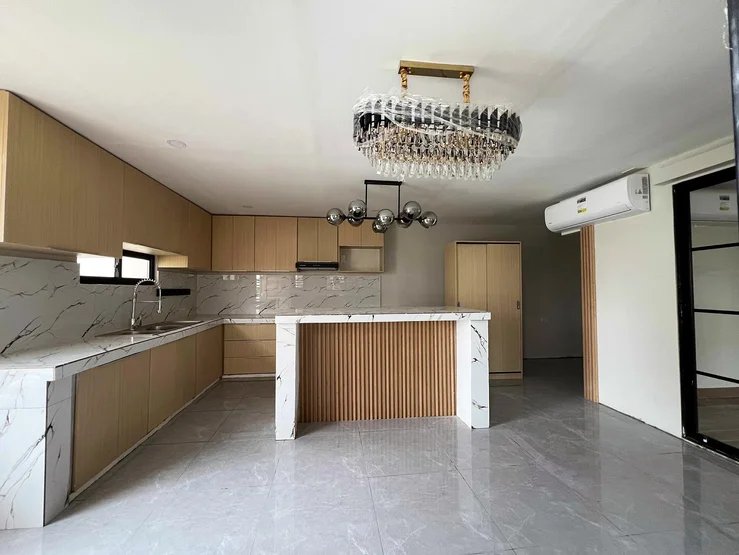
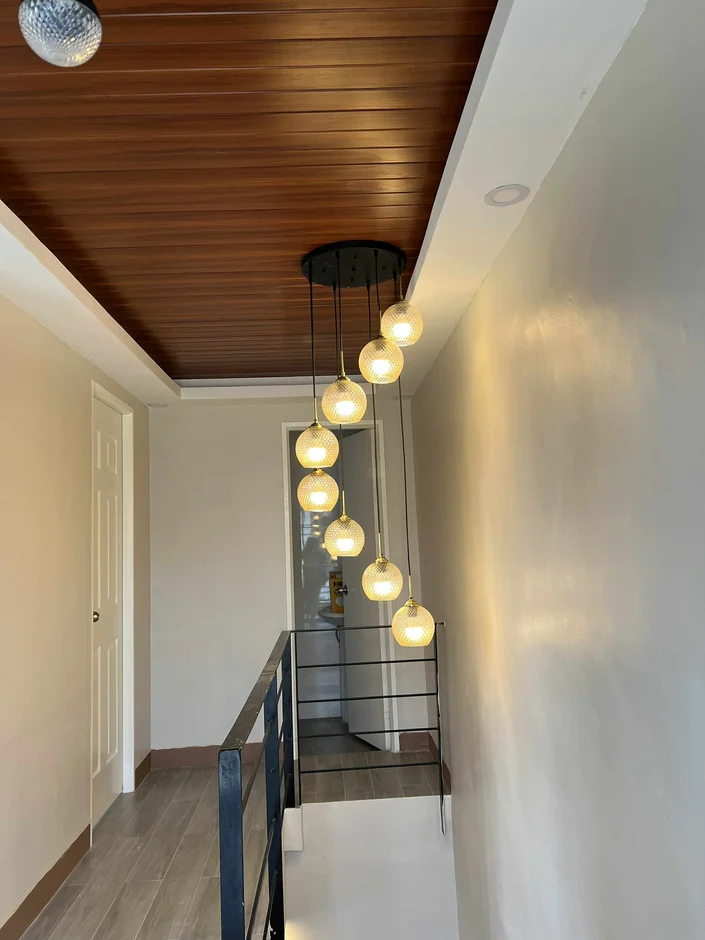
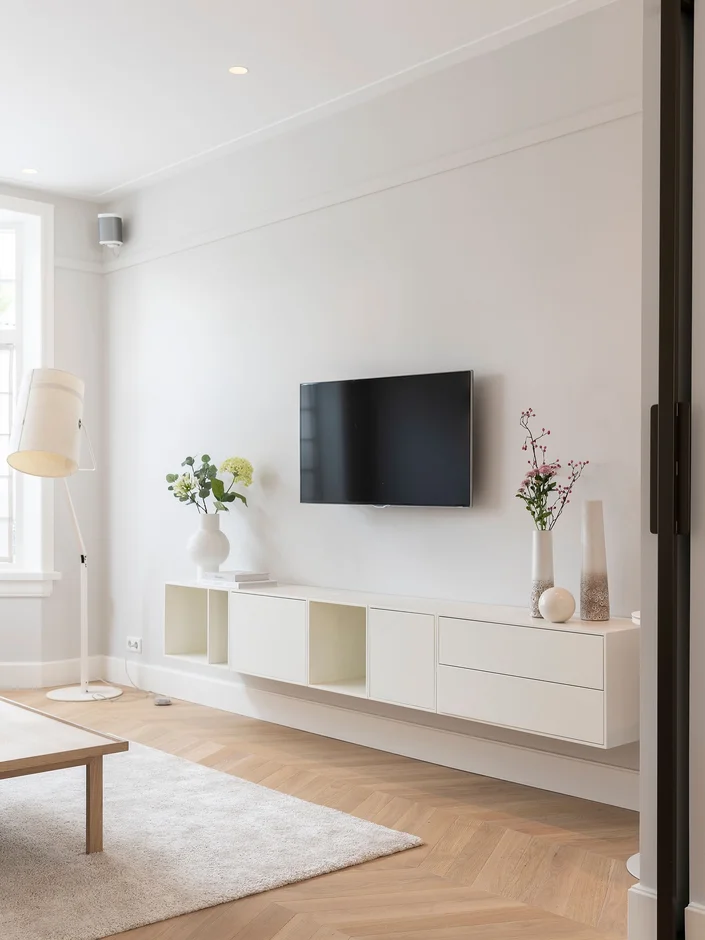
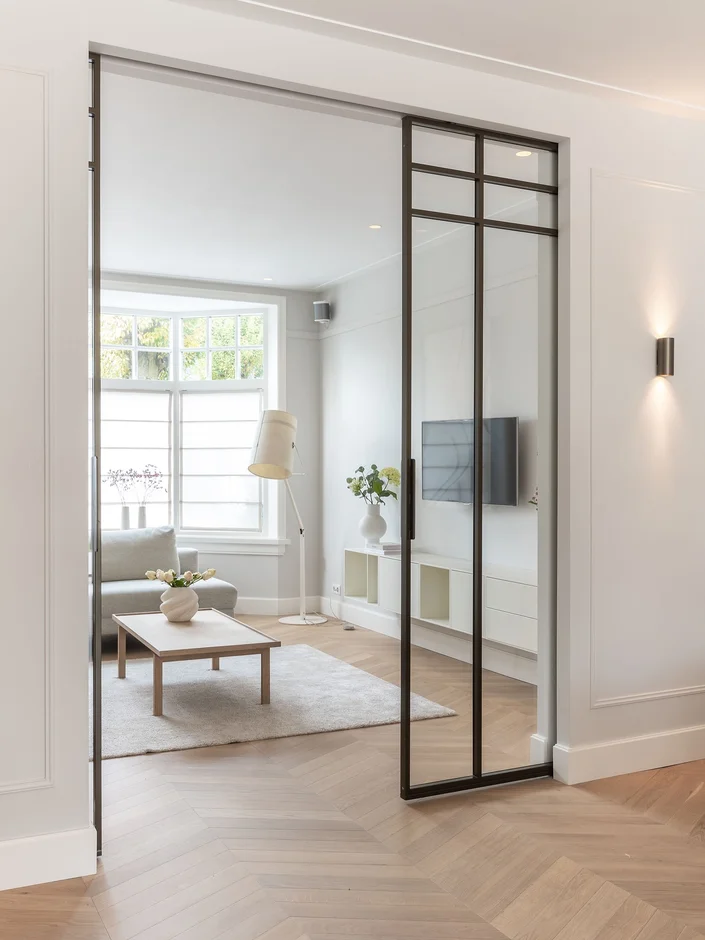
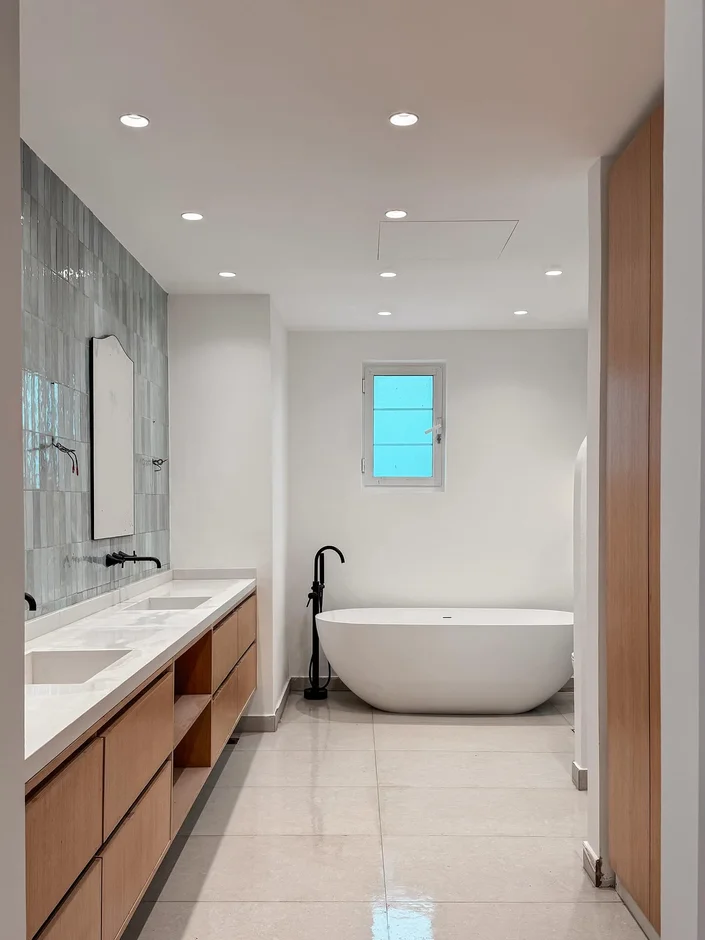
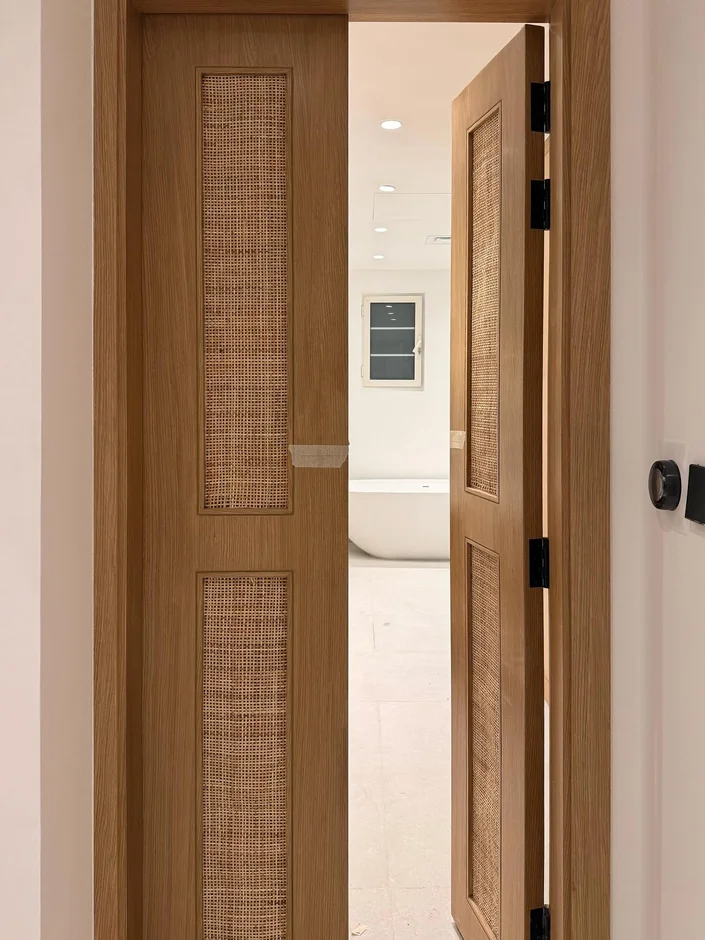
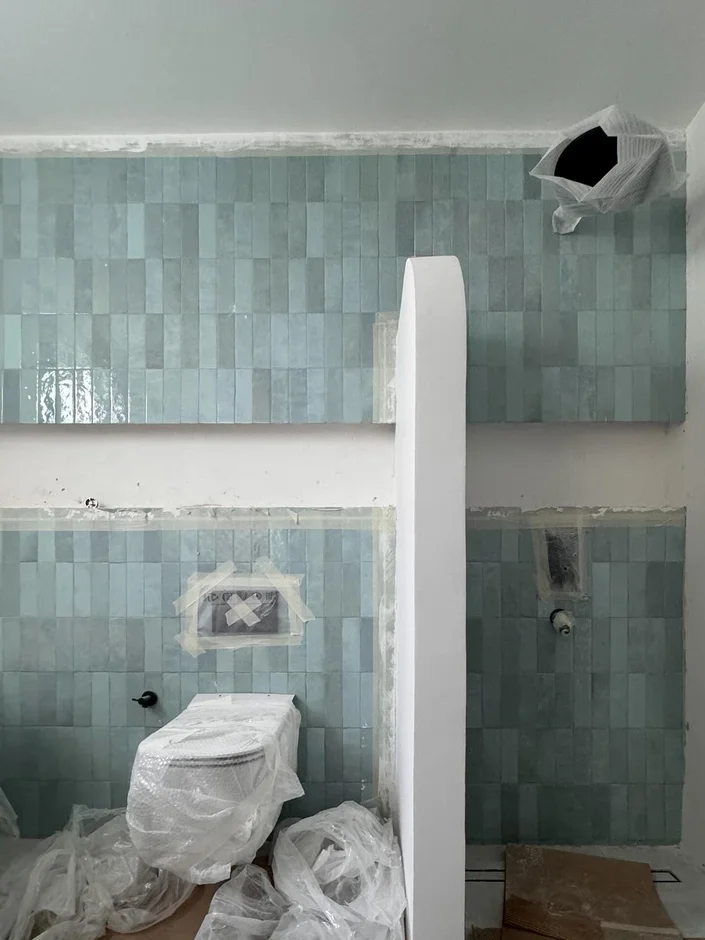
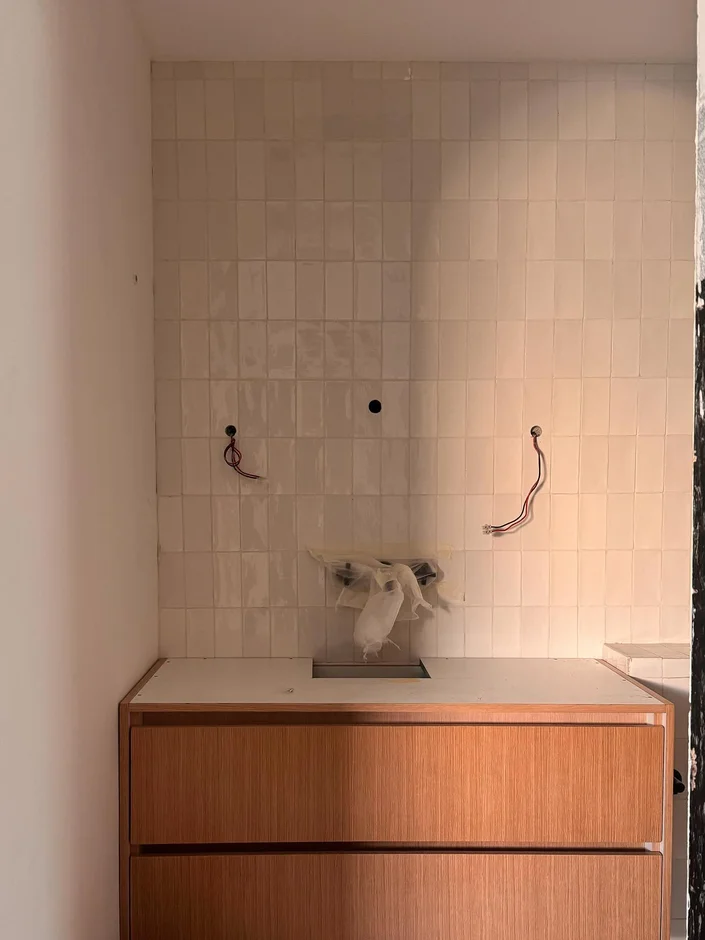
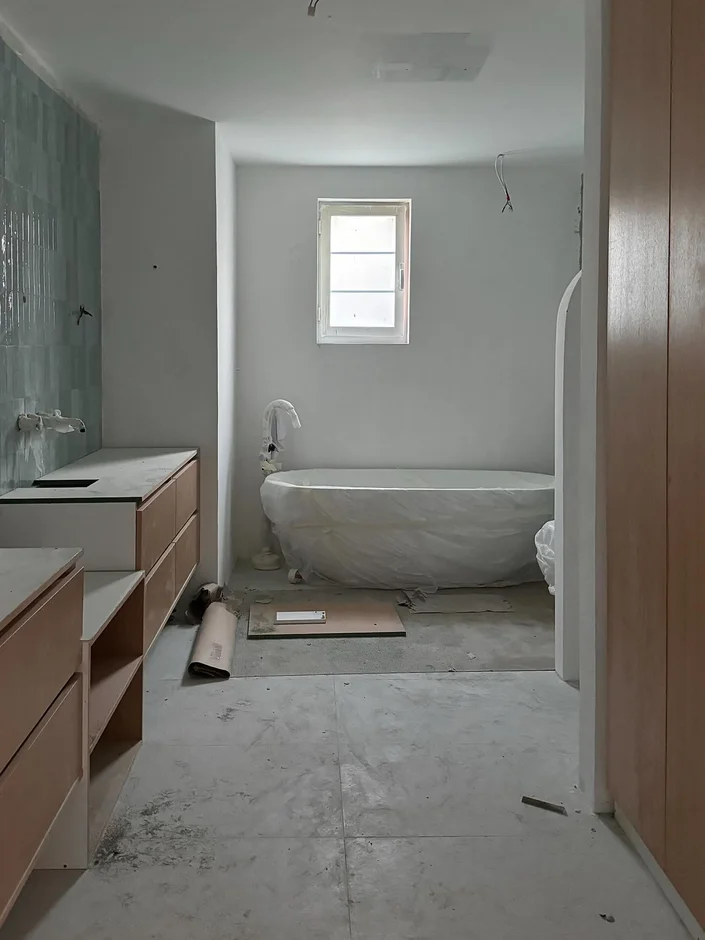
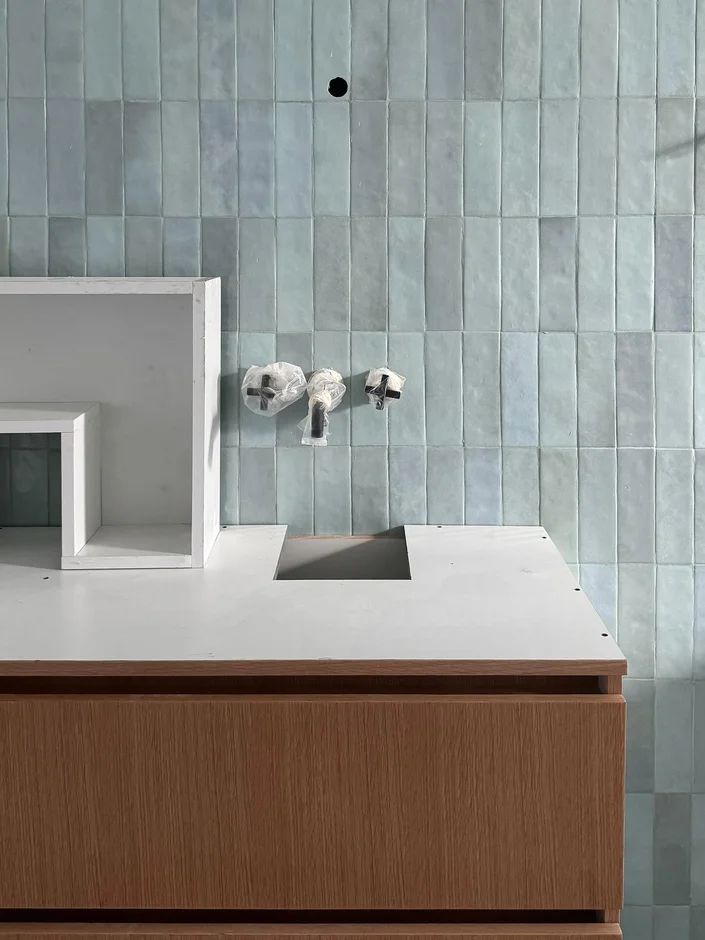
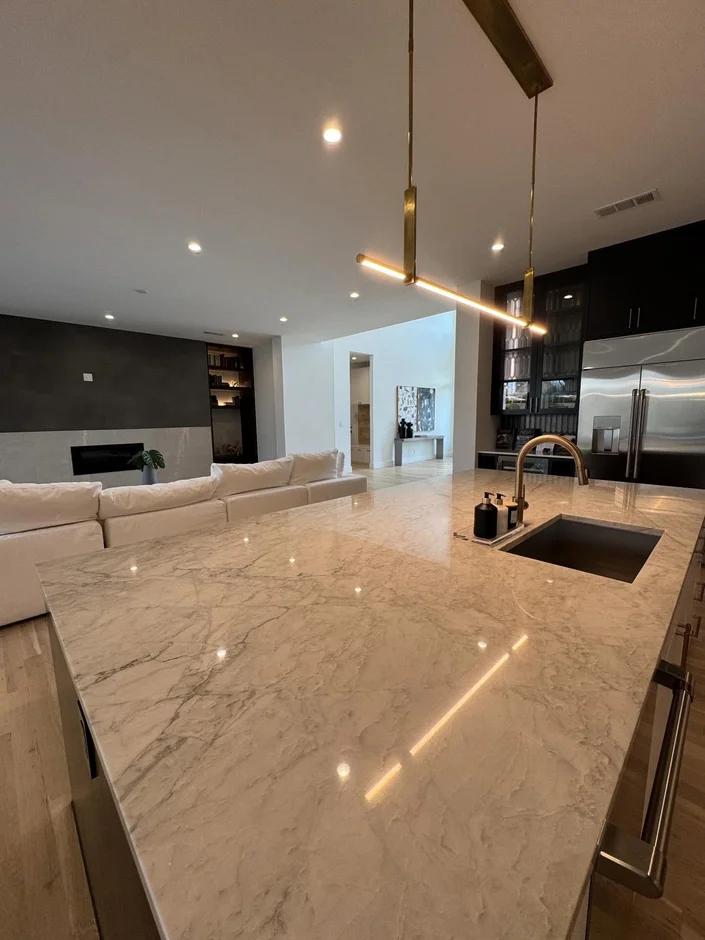
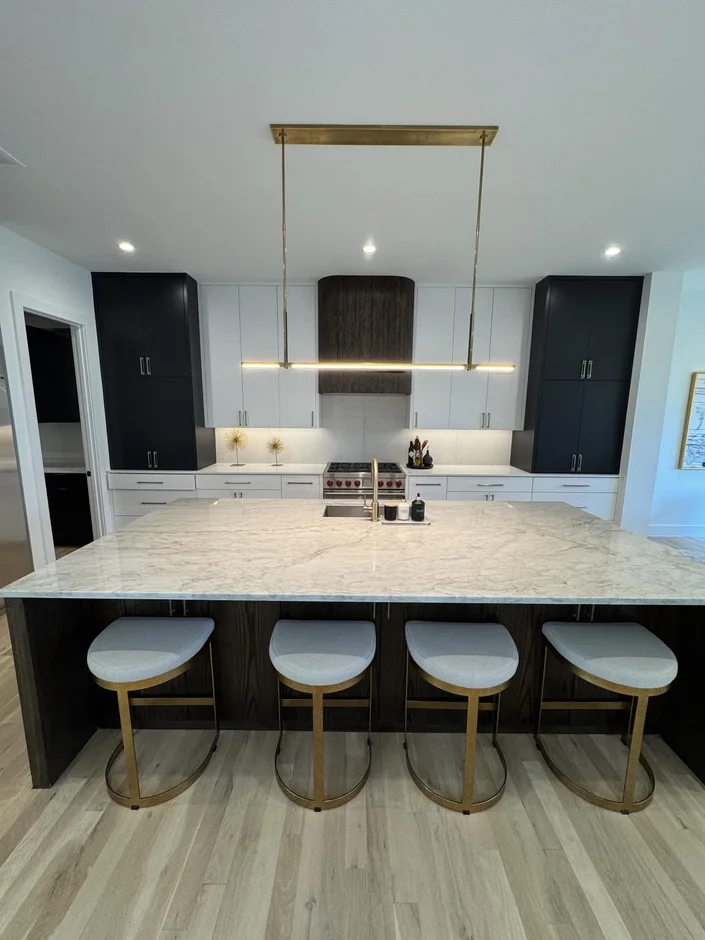
Remodeling and Renovation in Houston Starts With a Clearer Understanding of the Project
A home renovation project usually feels easier at the idea stage than it does once real decisions begin. A homeowner may know the kitchen no longer works the way it should, that the bathroom feels outdated, or that the current layout is no longer a good fit for daily life. But knowing that something needs to change is only the beginning. The harder part is understanding what kind of project actually makes sense, how large the scope should be, and what the next step should look like before moving too far too fast.
That is where a better renovation process begins. Not with pressure, and not with vague promises, but with more clarity around the project itself.
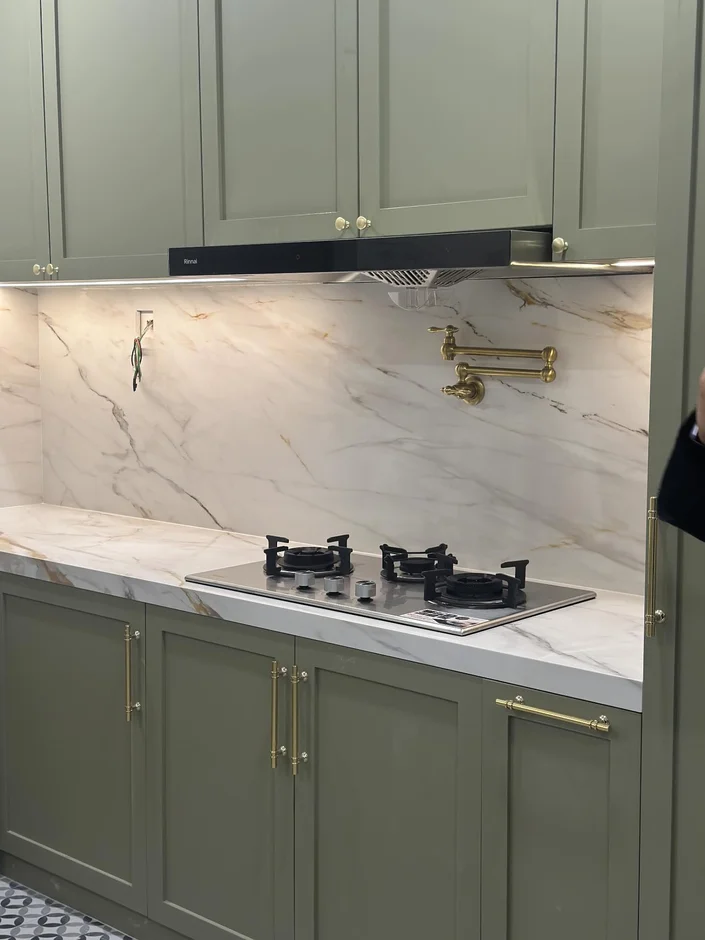
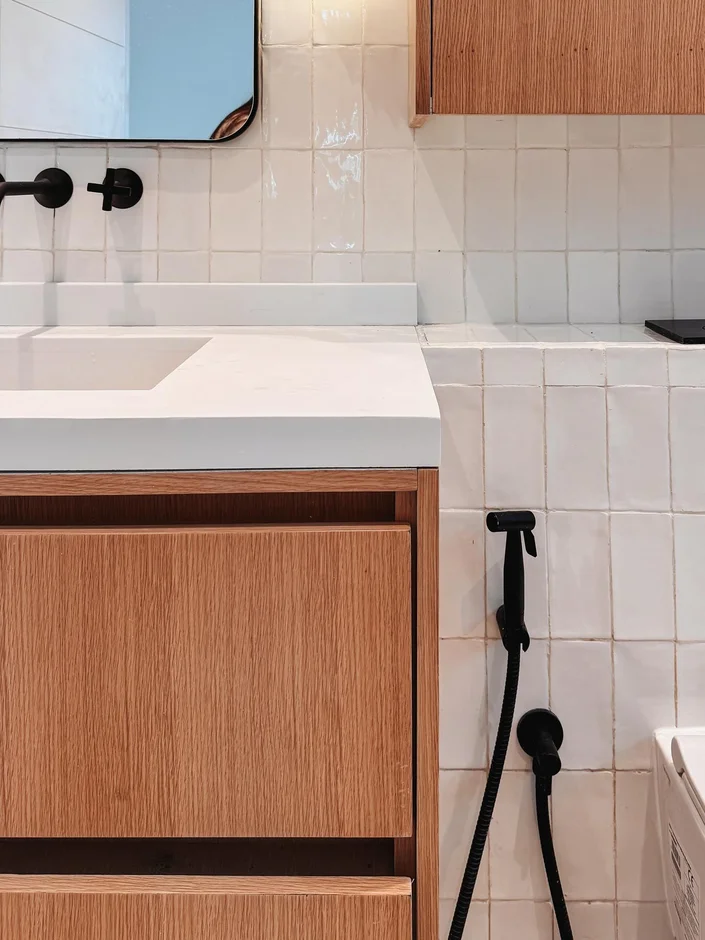
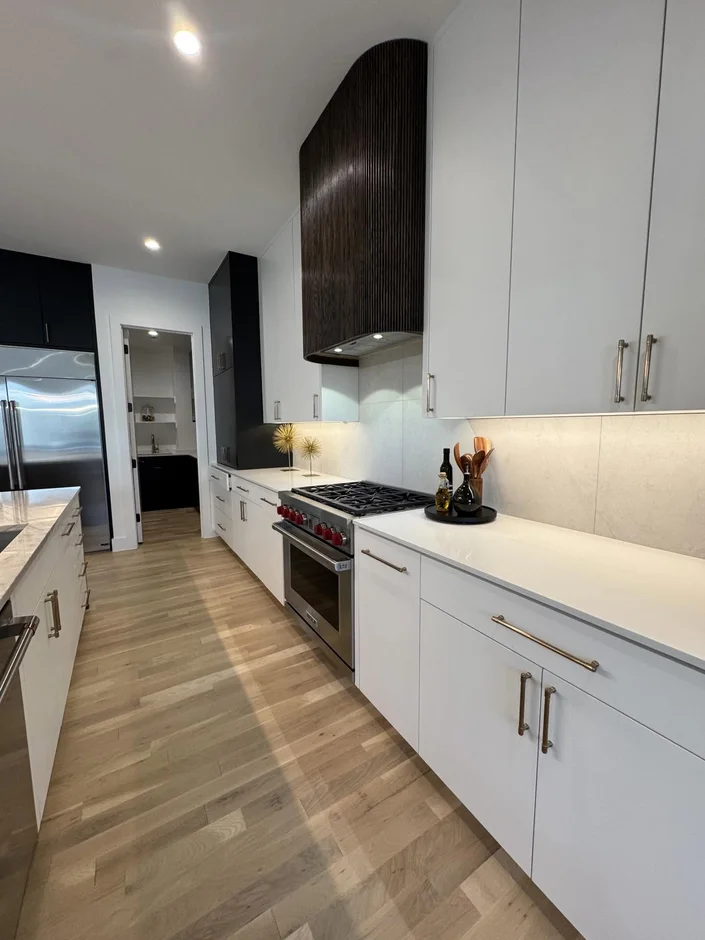
For some homeowners, the need is relatively focused. One room is no longer functioning the right way, and the goal is to improve that space without expanding the work into the rest of the house. For others, the issue is broader. What looks like a kitchen problem may really be a layout problem that affects how the kitchen, dining area, storage, and living space work together. What begins as a bathroom update may turn into a wider conversation about comfort, accessibility, or larger improvements across the home. In other cases, the need is more straightforward: the house needs more usable space, a more practical interior flow, or a more complete renovation plan.
That is why home remodeling is rarely just about finishes. It is usually about function, usability, and how the home supports everyday life. A better project starts when the scope matches the real problem.
The Right Scope Matters More Than a Fast Start
Many renovation projects become harder than they need to be because the first step is too vague. Homeowners may start by searching broadly, comparing contractors, or looking through project ideas without yet knowing how to define the work. That uncertainty is normal. In fact, it is one of the main reasons a homepage like this matters. Not everyone arrives ready to choose one specific service immediately. Some people are still trying to figure out whether they need a focused remodel, a broader renovation, or a larger-scale interior update.
That early stage is important because project type affects everything that follows. It affects budget expectations, planning needs, design decisions, material choices, and the amount of coordination involved. A single-room remodel does not move the same way as a multi-room renovation. A more extensive interior project does not follow the same logic as a cosmetic update. Even when two jobs sound similar on the surface, the real scope behind them may be very different.
A clearer understanding of that scope helps homeowners make better decisions from the beginning. It helps narrow priorities. It helps separate must-haves from nice-to-haves. It helps define whether the project is about appearance, function, space, or a combination of all three. And it creates a better foundation for any conversation about budget, timing, and the next stage of planning.
A Better Renovation Plan Starts With the Way You Use the Home
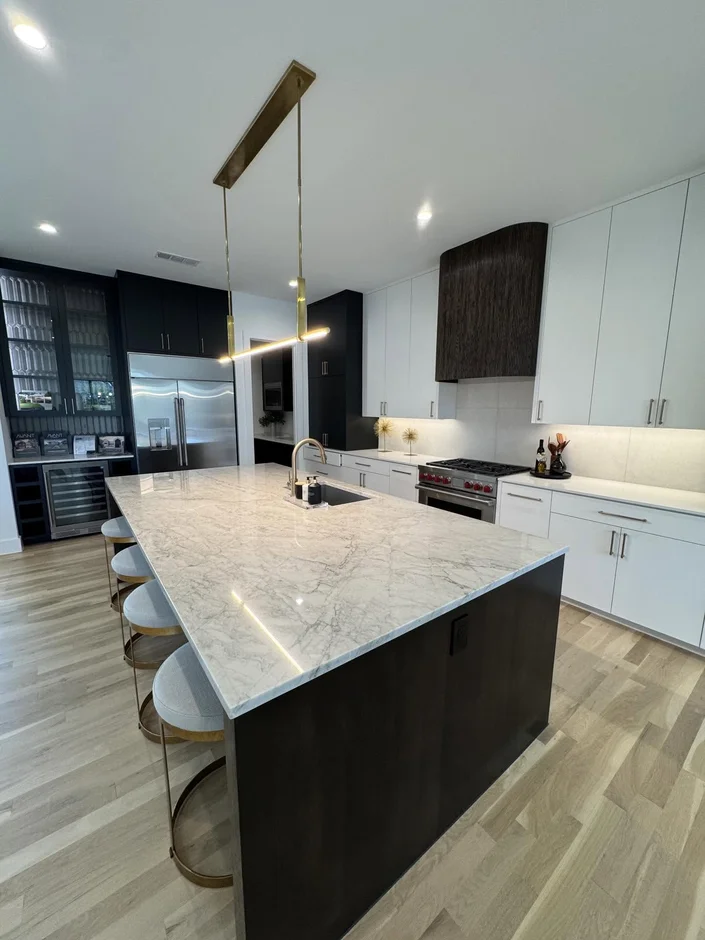
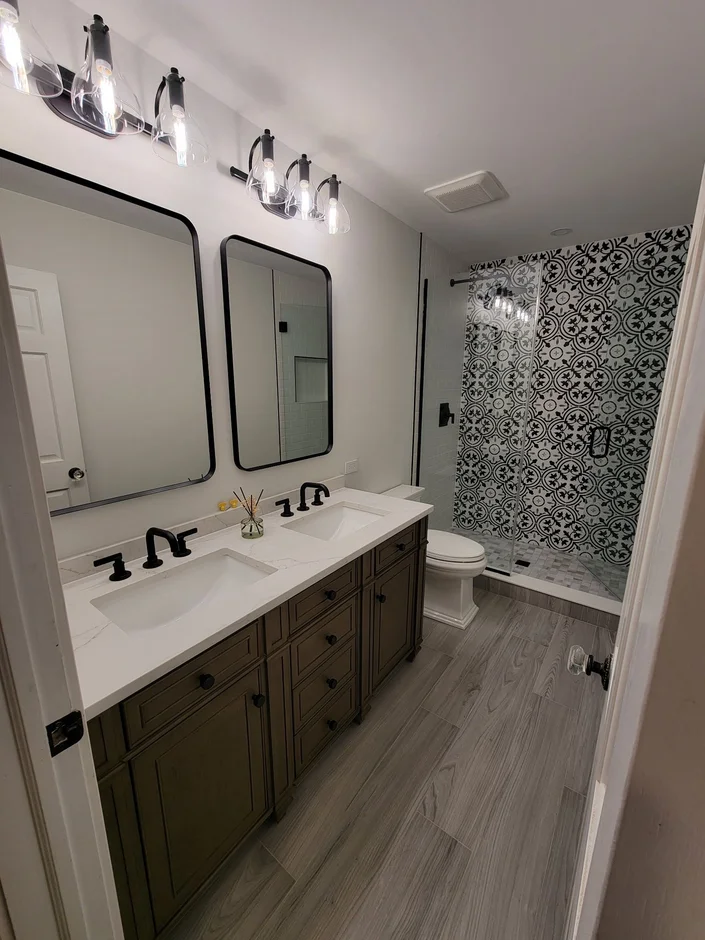
The most useful renovation decisions usually come from everyday life rather than abstract ideas about improvement. A kitchen may need attention because storage is poor, the layout slows everything down, or the room no longer supports how the household cooks and gathers. A bathroom may need to change because it feels cramped, dated, or difficult to use comfortably. A larger interior renovation may be necessary because several rooms feel disconnected, the home no longer flows well, or the current layout no longer fits the way the household lives now.
That practical lens matters because it keeps the project grounded in real priorities. It is easy to get pulled into surface-level decisions too early. Finishes, fixtures, and style choices all matter, but they usually make more sense once the overall project direction is clearer. Without that clarity, homeowners often end up evaluating details before the structure of the project has really been defined.
A better starting point is to ask simpler questions. What is no longer working in the home? Which spaces create the most frustration day to day? Is the issue isolated to one area, or does it affect how several parts of the home connect? Is the goal to modernize, improve usability, create more space, or solve a larger layout problem? Those questions tend to lead to better project direction than jumping immediately into product choices or rough price guesses.
Not Every Home Project Needs the Same Approach
One of the most important parts of renovation planning is recognizing that not every project should be approached in the same way.
Some homeowners need a clearly defined room-based remodel. Others need a wider plan that looks at how multiple parts of the home work together. Sometimes the best answer is not a full-scale renovation at all, but a more focused update with better priorities and more careful planning. Other times, trying to keep the project too limited can create more problems later because the real issue is bigger than one room.
That is why broad home renovation and remodeling guidance still matters on the homepage. People often begin with a general search because they are still in that decision-making phase. They are trying to understand what category their project fits into and what kind of team they may need. The homepage should help make that first layer of understanding easier. It should not overwhelm the visitor with every possible service detail, and it should not try to replace deeper service pages. Its job is to create orientation, explain the logic behind the work, and give the visitor a more useful starting point.
Budget Clarity Usually Begins With Scope, Not With a Number
One of the first things many homeowners want to understand is cost. That makes sense. Renovation planning is tied closely to budget, and most people want at least a clearer sense of what shapes the price before they commit to anything further.
But good budget clarity rarely starts with a flat number. It usually starts with understanding the scope of the project.
The cost of a renovation can change significantly depending on how much of the existing space is being updated, whether layout changes are involved, how extensive the construction work will be, and what level of material and finish the homeowner is aiming for. A project that looks simple at first may become more complex once the real goals are defined. At the same time, some homeowners assume they need a much larger project than they actually do, when a more focused plan could solve the main problem more efficiently.
That is why a more informed estimate starts with better project definition. When the scope is clearer, the budget conversation becomes more useful. It becomes easier to talk about priorities, tradeoffs, and where the investment is actually going. It becomes easier to separate necessary work from optional upgrades. And it becomes easier for the homeowner to decide whether to move forward now, adjust the scope, or take a more phased approach.
A strong renovation process does not avoid the cost conversation. It simply puts that conversation in the right order.
Houston Homeowners Often Need More Than Inspiration
Inspiration has its place, but most real renovation decisions require more than visual ideas. Homeowners usually need help understanding the practical side of the project: what kind of work makes sense, how much change is actually needed, what will have the biggest effect on daily use, and how to move forward without creating unnecessary confusion.
That is especially true when the project sits somewhere between a simple update and a major renovation. Many people do not begin with a perfectly defined scope. They begin with a problem. A kitchen that feels too closed off. A bathroom that no longer works comfortably. A home that feels outdated in ways that affect daily routine. A floor plan that made sense years ago but no longer fits how the household lives now.
In that stage, homeowners are not always looking for the most dramatic renovation. More often, they are looking for the most sensible one. They want a clearer path, more practical guidance, and a better sense of how to move from idea to action.
That is why this kind of homepage text matters. It creates a bridge between broad search intent and real project thinking. It gives homeowners a way to understand the category they are entering without overwhelming them with technical depth or generic sales language. And it supports the next step in a way that feels more informed and more manageable.
A Good First Step Should Make the Project Easier to Understand
The first interaction with a renovation company should not leave the homeowner more confused than before. It should help narrow the project, define the priorities, and make the next decision easier.
That does not mean every answer has to be available immediately. It means the process should begin with better questions and clearer direction. What type of renovation are you really planning? Which areas of the home matter most right now? Is the goal to improve function, update the layout, expand the home, or take on a broader interior renovation? How much work makes sense for the current stage of the project? What needs to happen first for the budget conversation to be useful?
When those questions are handled well, the project becomes easier to evaluate. The homeowner gets a more realistic understanding of what they are taking on. The next step becomes clearer. And the renovation moves out of the vague idea phase and into something more practical.
Start Your Houston Renovation With a Better Understanding of What Comes Next
A better renovation project usually begins with better clarity. Not just about style, and not just about price, but about the structure of the project itself. The right scope, the right priorities, and the right next step make everything else easier to understand.
Whether the need is a focused remodel, a larger interior update, or a broader home renovation plan, the goal is the same: move forward with more confidence and less uncertainty.
That is the value of a clearer starting point. It helps turn a general idea into a more defined project. It helps create a better budget conversation. It helps homeowners understand what kind of work makes sense for their space and their goals. And it creates a more practical path toward the next stage of planning.
For homeowners in Houston, that next step should feel clearer, more grounded, and easier to take.


 Online














 10+ days